📊 The Venezuelan Paradox: From Global Powerhouse to the “Resource Curse”
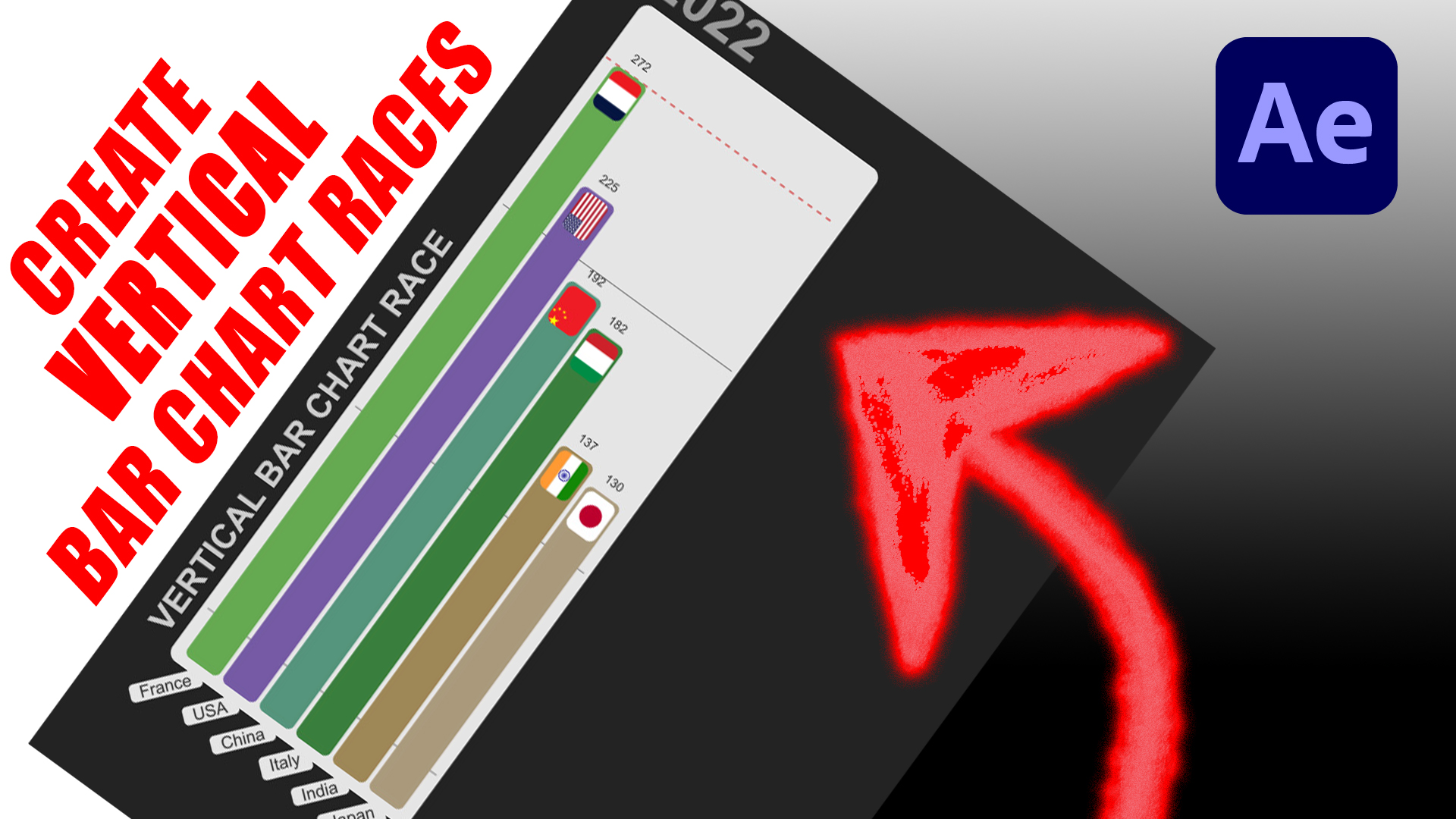
I just finished creating a Racing Chart of global oil production from 1900 to 2024, and the data tells a story that is as much about politics as it is about geology.
One country stands out more than any other: Venezuela.
This Animated Chart has been created using our DATA STORY MAKER, the plugin for After Effects and Premiere Pro
Between 1930 and 1970, Venezuela was consistently the 2nd largest oil producer in the world, trailing only the United States. It was the “engine” of South America. Yet, as the chart progresses into the 21st century, Venezuela’s bar begins a steady, painful slide down the rankings.
The Great Paradox: Venezuela holds the largest proven oil reserves on the planet (over 300 billion barrels), surpassing even Saudi Arabia. So, why did production collapse?
Here are the 3 main reasons behind the fall:
1. The “Brain Drain” and Management 🧠
In the early 2000s, political turmoil led to a massive strike at the state oil company, PDVSA. In response, the government fired over 18,000 experienced engineers, technicians, and managers—nearly half the workforce. Decades of institutional knowledge and technical expertise vanished overnight, replaced by political appointments.
2. The Heavy Oil Challenge 🛢️
Not all oil is created equal. Most of Venezuela’s reserves are extra-heavy crude from the Orinoco Belt. It’s thick like molasses and high in sulfur. To get it out of the ground and refined, you need sophisticated technology, specialized refineries (mostly in the US), and constant reinvestment. When the government diverted oil profits to social programs without reinvesting in infrastructure, the “pumps” literally started to fail.
3. The “Dutch Disease” 🇳🇱
Venezuela became a textbook case of “Dutch Disease”—an economic phenomenon where a country becomes so dependent on one resource that other sectors (like agriculture and manufacturing) wither away. When oil prices crashed or production dipped, there was no “Plan B” to support the economy.
The Takeaway: Natural resources are a gift, but management is the master. Having the most oil in the world means very little if you lack the infrastructure, expertise, and stability to bring it to market.
What do you think? Can Venezuela ever reclaim its spot at the top of the leaderboards, or has the global energy transition moved too far ahead?
Check out the full chart race! 👇
#OilAndGas #EnergyHistory #DataVisualization #Economics #Venezuela #GlobalMarkets #Geopolitics